Clone Tower Hazards and How to Survive Them
Read the tower’s real threats: slap knockbacks, clone traffic, void falls, and crowded 30-player ledges.
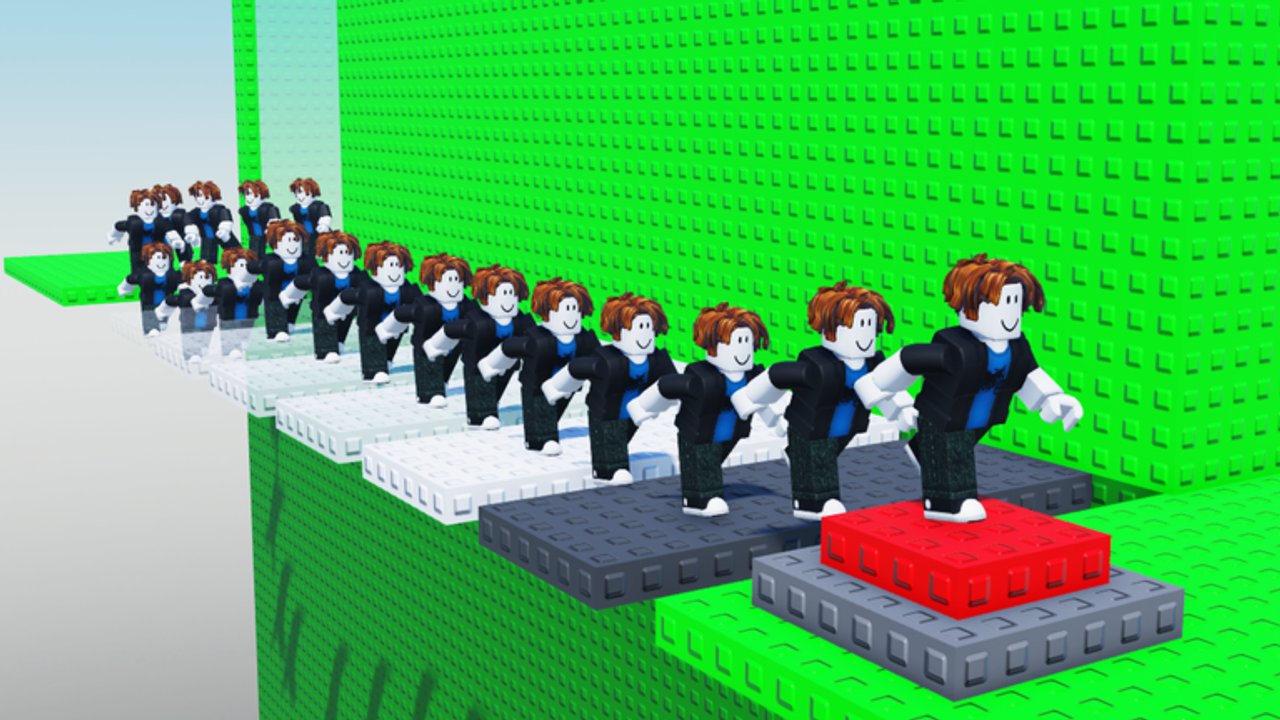
Clone Tower (Troll Clone Tower X) by Okay Games Studio Inc. Cooperation is not a quiet solo parkour museum. Servers hold up to 30 players, clones follow owners up the same thin routes, and slap tools turn every ledge into a contested PvP tile. This hazards guide names the failure modes that end climbs so you can prepare for them instead of blaming “bad luck” after every void death.
Pair this page with Beat Trolls for slap-specific counters, Clone Mechanics for follower control, Controls for jump and camera polish, and Reach the Top when you are ready to convert survival into a summit. New players should still finish Getting Started so early deaths feel like learning, not random punishment. When you finally crest, read Summit Rewards and Shop & Economy before impulse-buying every prompt.
Hazard taxonomy for this place
Treat hazards as categories you can train against:
- Player slap knockbacks — intentional flings into the void from slap tools.
- Clone body-blocks and congestion — your army or someone else’s packing a landing tile.
- Void falls from missed jumps — pure movement errors, camera mistakes, or panic inputs.
- Crowded 30-player traffic — jams on popular ladders, rainbow sections, and rest shelves.
- Unverified map traps / fake paths — community-reported sister-experience labels; confirm live, never assume a fixed loot table.
Everything below prioritizes confirmed Clone Tower systems first. Speculative sister-game labels appear only behind clear banners.
Player slap knockbacks
Slap tools are the designed troll fantasy of this experience. Other climbers earn or buy knockback gear and look for angles that send you off a ledge. On wide shelves, keep at least one body-length from anyone holding a tool and plan an escape jump before you trade. On narrow beams, assume any connect equals death — cross quickly or wait for the pad to clear.
Delay beats pride. Waiting two seconds for a swing animation to finish costs less than a full restart. If a camper owns your landing, take a side line or stall on the previous safe tile instead of forcing a 50/50. Detailed defensive habits, tilt rules, and when to use your own slap tool live on Beat Trolls. Social etiquette for how hard is too hard sits on Troll Meta. Tool priority notes belong on Slap Tools.
Clone body-blocks and congestion
Clones are both defense and hazard. A small pack planted at a choke can spoil an enemy aim window. The same pack standing on your exact landing tile can soft-lock your jump. Before you spawn, ask: will this body help me take the next ledge, or will it steal the pixel I need?
Congestion spikes when several players spawn armies on the same mid-tower shelf. Frame drops, accidental bumps, and confused slap swings all rise together. Veterans who already understand spacing can run larger armies; beginners should earn consistency first. Full spawn, follow, and upgrade thinking lives on Clone Mechanics. Spending cash to expand capacity belongs on Shop & Economy.
Void falls from missed jumps
Not every death is a troll. Camera overshoot, early jump commits, and sticky mobile inputs dump you into the void without anyone swinging. Fix these before you blame the lobby:
- Hold jump until you see the landing, not when you feel stressed.
- Recalibrate after switching from phone to PC — shared saves bring tools, not muscle memory.
- Warm the lower third until timing feels boring, then push higher.
Use Controls as the movement lab. A clean practice ladder toward WINNER clears is outlined on Reach the Top.
Crowded 30-player traffic
Thirty avatars on one vertical create traffic jams, clone piles, and slap density that empty lobbies never teach. Treat popular rest shelves as temporary PvP arenas: enter late, leave early, refuse revenge duels that pull you downward. Quieter servers teach routes; fuller servers teach defense. Alternating both is how consistent climbers train.
If a lobby is pure slap chaos and you need a calm badge attempt, changing servers is a legitimate tactic. Server-feel context also appears on the Players hub and Troll Meta.
Unverified map traps and sister-experience labels
Speculative / community-reported — confirm in your live inventory. Labels such as Flying Carpet, Lucky Block, Void Slap, HD Admin, Invisibility Cloak, Ability Slap, Electric Slap, fake paths, or hidden traps appear in sister-experience descriptions and community chat. Do not treat My Mom Studios “Clone Troll Tower” loot tables as confirmed facts for this Okay Games place. If you see a suspicious ledge, fake-looking path, or odd prop in your session, treat it as a live observation: pause, peek, and decide — do not memorize a wiki loot list that this game never published.
When community videos mention VIP or admin-style shortcuts after strong climbs, verify the current UI yourself. Reward framing lives on Summit Rewards; purchase persistence and cash sinks live on Shop & Economy.
Survival checklist before a serious climb
- Warm jump timing on the lower third until it feels automatic.
- Confirm clone spawn inputs so you are not opening menus mid-air.
- Decide practice lobby versus contested lobby before you commit.
- Pre-plan spacing rules for the first mid-tower choke you always die on.
- Write a reset ritual: respawn, restate the next segment, ignore chat bait.
Drills that harden hazard reading
Shadow climb: follow a stronger player a few jumps behind and watch how they wait for slap windows. Edge hold: practice standing near a ledge while turning camera to track threats without drifting off. Clone cover: plant two followers at a choke, then take the far lane yourself. No-revenge rule: ignore the next three players who slap you and measure how much higher you climb. Traffic timing: enter a packed shelf late, leave early, refuse to become the middle of a duel.
After a hazard-heavy death
Name the category out loud: slap, clone congestion, missed jump, traffic, or unverified trap suspicion. Fix that category on the next attempt instead of buying random shop items out of tilt. If slap range ended the run, study Slap Tools and Beat Trolls. If your own clones trapped you, re-read Clone Mechanics. If pure movement failed, return to Controls.
Track patch notes on Updates because tool feel and lobby density can shift. Official destinations sit on the Links Hub. Promo status remains honest on the Codes Hub: no verified public codes for this place, and this is not Clone Tower Defense.
Related pages
Return to the Guides Hub for the full learning order. Convert hazard survival into finishes with Reach the Top, bank outcomes on Summit Rewards, and spend thoughtfully via Shop & Economy.
Stay patient on contested ledges. Most “unkillable” climbers in Clone Tower are simply refusing bad fights and refusing mystery paths they have not verified — copy those habits and the void gets quieter.
Frequently Asked Questions
Quick answers to the most common Clone Tower questions.
What are the main hazards in Clone Tower?
Player slap knockbacks, clone body-blocks and congestion, void falls from missed jumps, and crowded 30-player traffic. Treat sister-game trap or fake-path labels as unverified until you confirm them in your live session.
Are fake paths and hidden traps confirmed for this game?
Not as a published loot table for this Okay Games place. Community and sister-experience labels may appear in chat or videos — confirm any suspicious ledge yourself and do not copy another tower’s wiki as fact.
How do I stop dying to slap knockbacks?
Increase spacing, delay jumps during swing animations, use clones as soft cover, and refuse revenge duels on thin platforms. See Beat Trolls for the full defensive handbook.
Can my own clones become a hazard?
Yes. Followers that stand on your landing tile or pack a choke with other armies can soft-lock jumps and invite chaotic slap swings. Spawn with intent.
Should I practice hazards in empty or full servers?
Both. Quiet servers teach route timing; full servers teach slap density and traffic. Alternate before you call a WINNER attempt consistent.